



Breast Reduction
Conveniently located to serve the areas of San Antonio, TX

Breast reduction surgery is the most effective way to decrease breast volume by removing surplus tissue for a more balanced appearance. Surgeons often perform this procedure to correct asymmetry or relieve chronic discomfort stemming from excess or uneven weight distribution in the chest.
Dr. Dallas W. Homas brings more than 30 years of surgical expertise to every procedure, specializing in custom aesthetic and reconstructive techniques that deliver life-changing outcomes. With board certifications in three distinct specialties, Dr. Homas is dedicated to a patient-centered approach that emphasizes precision and safety.
To learn more about the life-changing benefits of breast reconstruction with Dr. Homas, submit our online contact form or call our San Antonio office at (210) 460-3646 to speak with a member of our team.
Contents
Before and After Photos


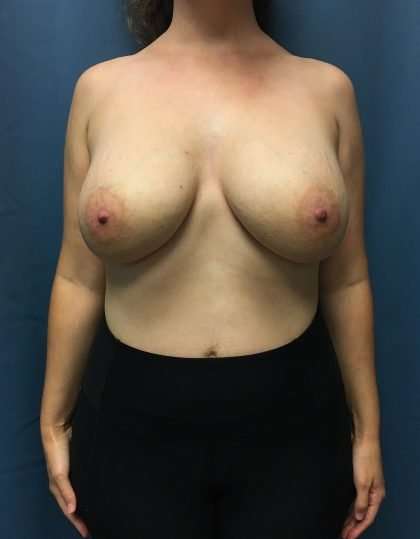
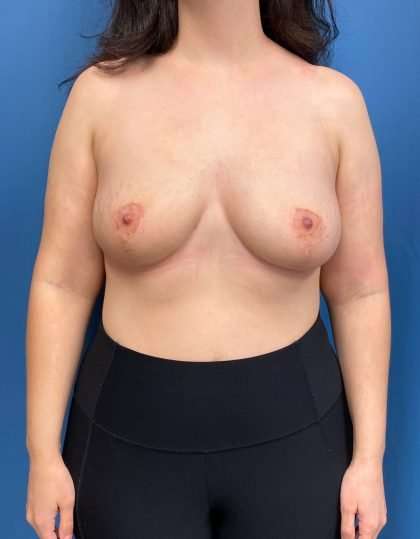
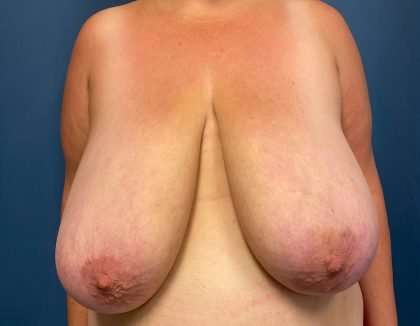
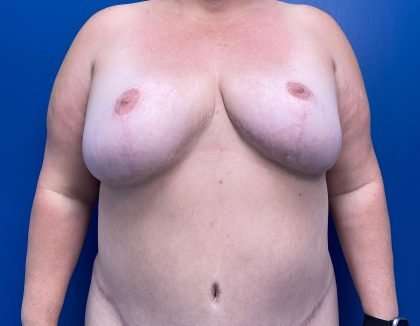
About Breast Reduction
Breast reduction, formally known as reduction mammoplasty, is a transformative surgical procedure that removes excess breast fat, glandular tissue, and skin. (1) For many women, excessively large breasts (macromastia) are not just an aesthetic concern; they are a source of physical and emotional distress. This condition often results in a cycle of chronic symptoms, including persistent neck, back, and shoulder pain, deep grooves in the shoulders from bra straps, and recurrent skin rashes or irritation in the inframammary fold.
Beyond the physical toll, the emotional impact of oversized breasts can be significant, often leading to self-consciousness and a diminished quality of life. (2) By resizing the breasts to a more proportionate volume, Dr. Homas helps patients achieve a more balanced figure while addressing the root cause of their discomfort.
Breast Reduction Techniques
Breast reduction is not a one-size-fits-all procedure; the specific technique Dr. Homas employs depends on the patient’s existing anatomy and degree of correction required. The most comprehensive method is the inverted-T, or “anchor,” incision. This approach involves three incisions: one around the areola, one vertically down to the inframammary fold, and a horizontal incision along the fold itself. This technique is ideal for breasts that require the most significant reduction and lift.
For moderate reductions, Dr. Homas may use the vertical, or “lollipop,” incision. This technique requires an incision around the areola and a vertical incision down to the fold, but it eliminates the horizontal incision and provides a more projected, youthful outcome. For patients requiring only minor corrections, the periareolar, or “donut,” approach involves a single incision circling the areola, minimizing visible scarring while allowing for modest tissue removal and lifting. The fourth lift is an even more minor, lifting the nipple and areola 1-2 centimeters. This smaller lift is the crescent lift and involves removal of a crescent moon of skin from above the areola.
Benefits
The benefits of breast reduction extend far beyond the aesthetic, offering profound physical and psychological relief for women who have often suffered for years under the extra weight on their chests. Many patients experience an immediate decrease in persistent pain affecting their shoulders, neck, and back. By alleviating the weight on the chest wall, the surgery supports enhanced spinal alignment and better posture, helping to correct habitual slouching.
Additional advantages include:
- Better Mobility: Daily activities and physical exercise become easier and more enjoyable without excess weight on the chest.
- Improved Skin Health: Removing excess tissue helps eliminate recurrent irritation, chafing, and rashes within the inframammary fold and under bra straps.
- Heightened Mental Wellness: Patients often report a boost in self-esteem and a more favorable body image following reduction surgery.
- Increased Wardrobe Options: Women can find more flattering clothing and better fitting bras for their reduced bust.
Candidates
Potential candidates for breast reduction are overall healthy women who are bothered by the physical, functional, or psychological effects of carrying large breasts. They should be non-smokers, or willing to quit for an extended period of time before and after surgery, and have realistic expectations about their outcomes. Dr. Homas strongly recommends that patients be at a healthy, maintainable weight, as significant fluctuations can affect the results of a reduction. He will fully determine your candidacy during the personal consultation.
Personal Consultation
During this collaborative meeting, Dr. Homas will review your medical history, including any previous surgeries or family history of breast conditions. He will listen carefully as you detail your concerns and treatment goals. He will then perform a physical evaluation to assess breast size, symmetry, underlying musculature, and skin condition. This interactive discussion allows Dr. Homas to create a personalized treatment plan that allows you to proceed with confidence.
If you are ready to start planning your breast reduction, contact our practice online or call our office at (210) 460-3646.
Preparation
After finalizing your treatment plan, Dr. Homas will provide you with detailed preoperative instructions to prepare you for your surgery and recovery. Some general guidelines include:
- Quit smoking 6-8 weeks before surgery, if applicable.
- Abstain from alcohol and blood-thinning medications and supplements in the days leading up to surgery.
- Schedule time off from work and other physical commitments.
- Arrange personal transportation and care for the day of your surgery and the first 24-48 hours of initial recovery.
- Fill any necessary prescriptions and prepare a comfortable recovery space.
Procedure
You will receive general anesthesia to ensure your comfort during the breast reduction procedure. Then, Dr. Homas will start by making the predetermined incisions. He will remove excess glandular tissue, fat, and skin before reshaping the remaining breast tissue into a smaller, more uplifted position. He typically repositions the areola and nipple higher on the chest mound to maintain a natural cohesion, often creating a reduction in areola size for better proportion and symmetry. Finally, he will close the incisions with fine sutures to promote smooth contours and optimal healing. The entire surgery will take from 2 to 4 hours, after which we will monitor you briefly before you can return home to recover.
Recovery
During the initial recovery, you can expect some tenderness, swelling, and bruising, which peak within the first several days. Dr. Homas recommends that you take prescribed medications as needed for pain management and wear a surgical compression garment at all times for several weeks to support healing tissues and minimize fluid buildup. Most patients return to desk work and light activities within one to two weeks, but you must avoid strenuous exercise and heavy lifting for 6 weeks or until Dr. Homas determines you have healed sufficiently. Be sure to attend all follow-up appointments so he can monitor your progress and address any concerns.
Results
Breast reduction procedures yield some of the highest satisfaction rates in plastic surgery, typically averaging over 90%. (3) The physical and psychological relief that many women feel after surgery, even while experiencing residual swelling, can be life-changing. While some scarring is inevitable, Dr. Homas places discreet incisions that fade to obscurity over time. Results are long-lasting, though natural aging, gravity, and significant weight fluctuations can affect breast shape over time.
Complementary Procedures
For more comprehensive rejuvenation, many patients choose to include complementary procedures into a single surgery. This also minimizes recovery and time spent under anesthesia. You can discuss which potential options align with your goals during your personal consultation. Some possible additions include:
- Tummy Tuck: Especially appealing for patients who have undergone a significant weight loss, this procedure removes excess tissue and corrects separated or weakened abdominal muscles to create a flatter, smoother midsection.
- Mommy Makeover: A customizable selection of procedures that can include the breast reduction, tummy tuck, liposuction, and any other body contouring procedures that help restore a woman’s youthful vitality after significant weight loss, childbirth, or simply due to the effects of natural aging.
Cost of Breast Reduction in San Antonio
The cost of breast reduction is highly individualized and will depend on the unique details of your surgical plan. After establishing this at the consultation, Dr. Homas will present you with a comprehensive cost breakdown and answer any questions you may have.
If you are ready to schedule your consultation with Dr. Homas and explore your breast reduction options, please call (210) 460-3646 or submit our online contact form.
FAQ
Will I be able to breastfeed after breast reduction?
Many patients retain the ability to breastfeed, but it depends on the surgical technique used. Dr. Homas recommends completing childbearing before surgery if breastfeeding is a priority.
Will breast reduction leave scars?
While breast reduction surgery does leave scars, they are strategically placed along natural contours or bra lines and fade significantly into fine, pale lines over time with proper scar care.
How soon will I be able to return to work after my breast reduction?
Most patients can return to non-strenuous activities or desk work within 10-14 days, but more strenuous physical activity must be avoided for roughly 6 weeks or until Dr. Homas gives clearance.
How long does breast reduction take?
The breast reduction procedure can take anywhere from 2 to 4 hours, depending on the amount of tissue removal and lifting required.
References
- Sachs D, Szymanski KD. Breast Reduction. PubMed. Published 2021. https://www.ncbi.nlm.nih.gov/books/NBK441974/
- Pocock KS, Laikhter E, Hardy BW, Holtzman-Hayes N, Strauss LD, Pavlovic JM, David LR, Katz AJ, Kumar S, Pestana I, Calder B, Nye BL, Duet M, Wells RE. Enlarged Breast Size (Macromastia) and Associated Neurologic Risks: A Scoping Review. Neurology. 2024 Aug 13;103(3):e209660. https://pubmed.ncbi.nlm.nih.gov/39013127/
- Frankeny A. Doing it for you: The correlation between breast reduction and patient satisfaction. American Society of Plastic Surgeons. Published March 24, 2026. Accessed June 11, 2026. https://www.plasticsurgery.org/news/articles/doing-it-for-you-the-correlation-between-breast-reduction-and-patient-satisfaction